Color
Tone mapping and exposure, from the computation to the screen.
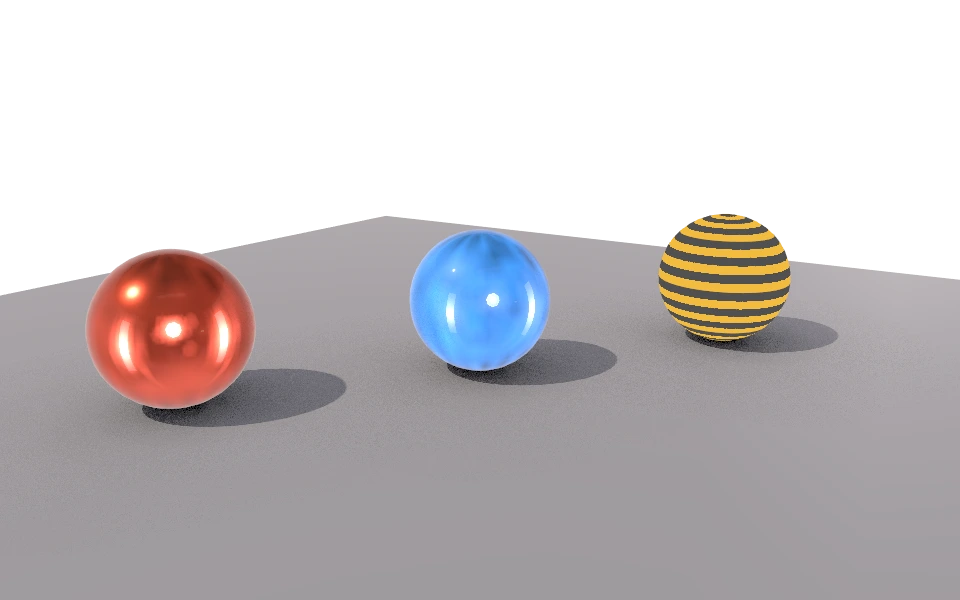
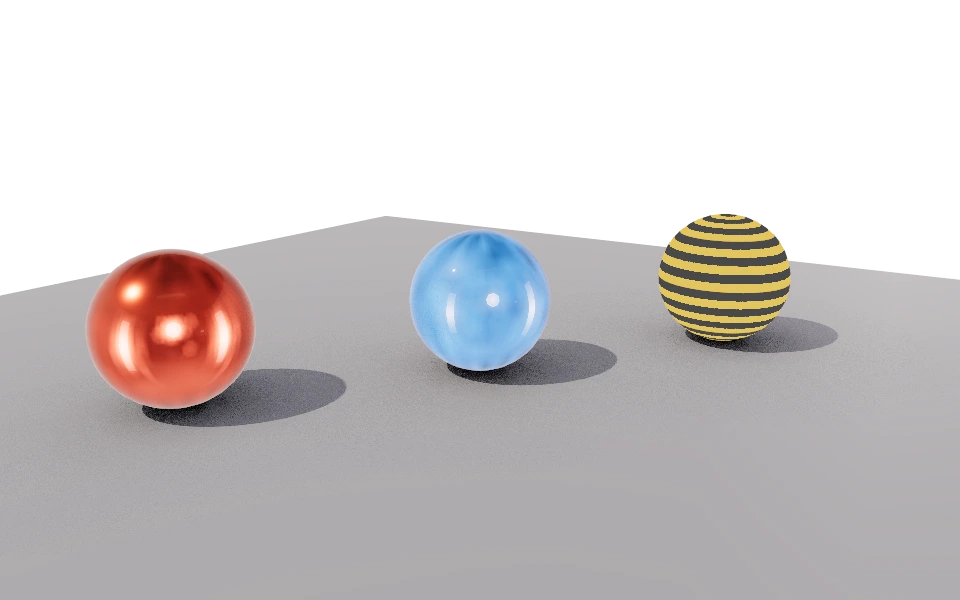
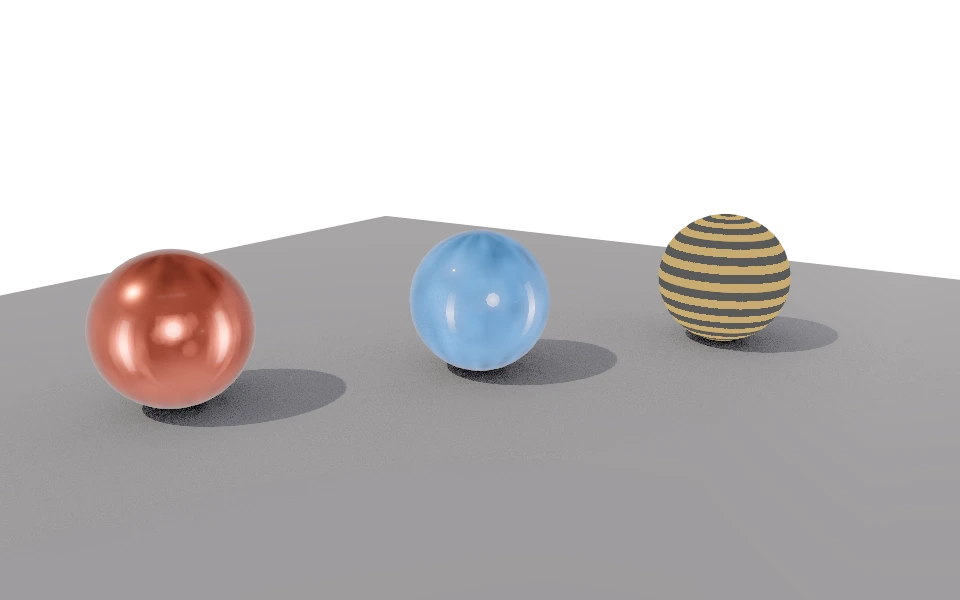
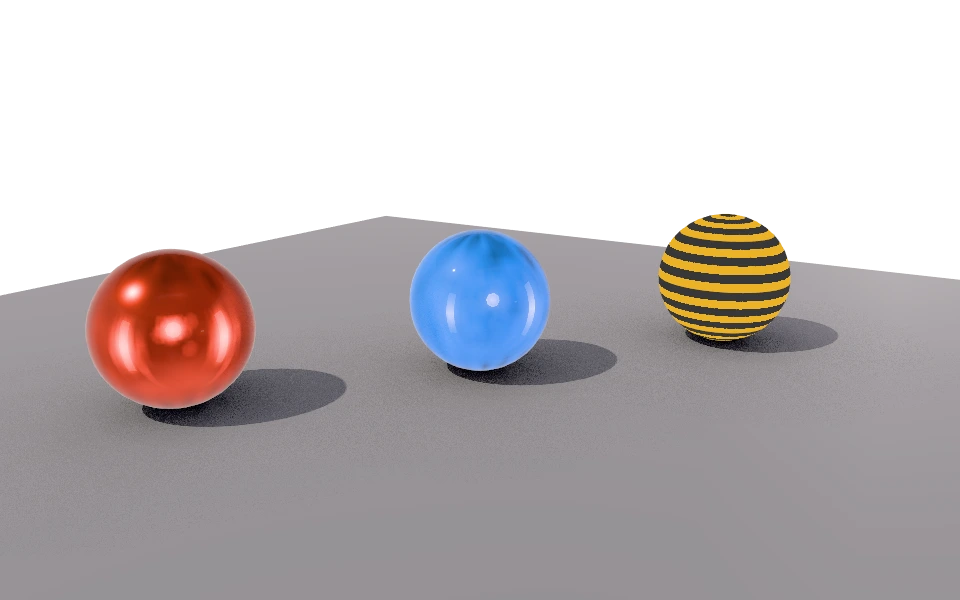
The Color section is the last step of the image. The rasterizer accumulates light with no ceiling, the way physics hands it over, and a reflection of the sun can be worth many times the white of the screen. Tone mapping is what brings that whole range into what a monitor can show.
Controls
- Tone mapping: The curve used in the conversion.
- Linear: No curve. Anything above 1 is clipped, and strong light becomes a flat white patch, as in the first example.
- ACES Filmic: The film curve. Firm contrast, saturated colors and highlights that fade out smoothly.
- AgX: More restrained in the highlights, with colors that resist saturation. It is the safest choice for very strong light.
- Neutral: A middle ground, made to preserve the material color as it was chosen.
- Exposure: Multiplies the light before the curve, from 0 to 4. It is the equivalent of opening or closing the camera, not of changing the lights.
Exposure
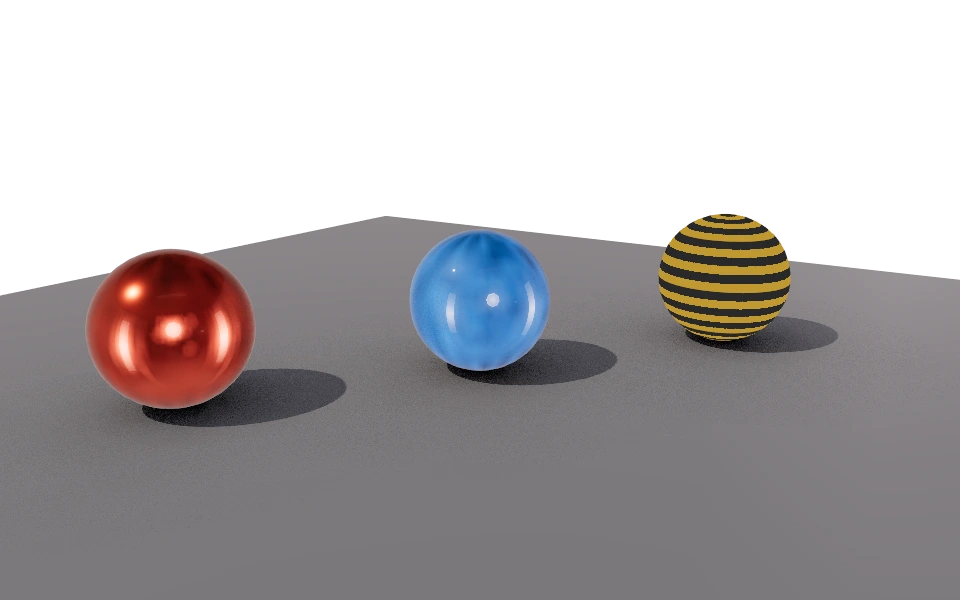
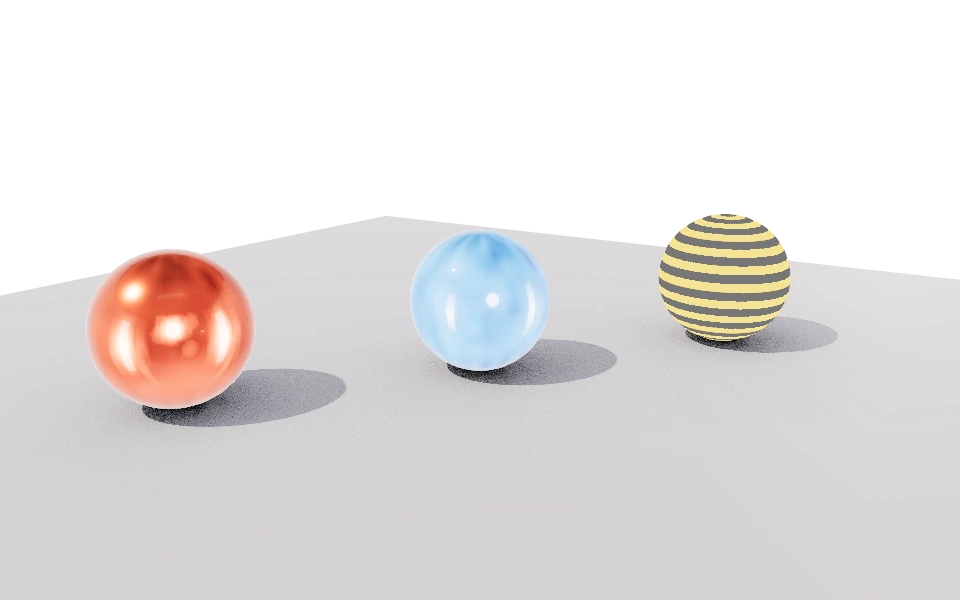
Half exposure gets close to an underexposed photo, with the shadows closed; double brightens everything and takes the highlights to white. Since the multiplication happens before the curve, tone mapping is still responsible for holding back whatever goes over the limit, which is why the bright image does not blow out into hard patches.
How to use it
Pick the curve first and adjust the exposure after: each curve reacts differently to the same value. If a material looks right in material mode and washed out here, try Neutral before changing the material color.