Quality
Samples, bucket size and image resolution.
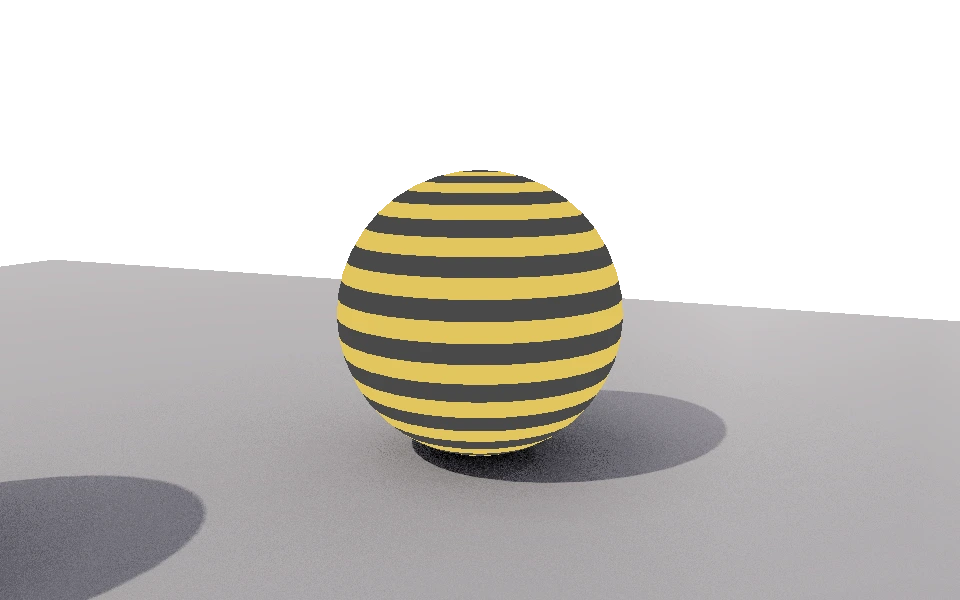
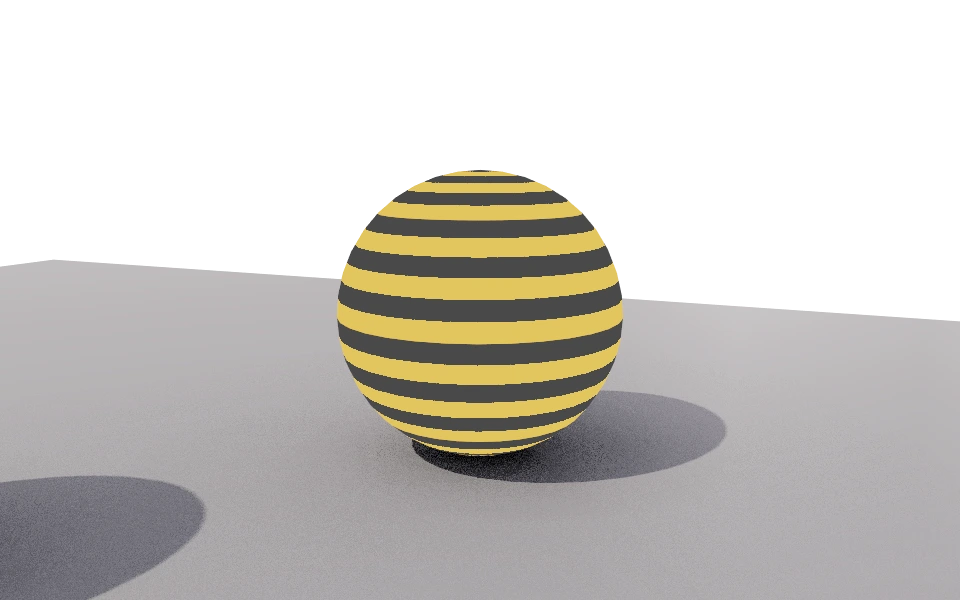
The Quality section decides how much work the rasterizer does per pixel. It is the most direct trade between waiting time and a clean image.
Controls
- Antialiasing samples: From 1 to 256 positions inside the same pixel. With a single sample, the edge of a face falls entirely inside or outside the pixel, and jagged steps show up along silhouettes and thin stripes. More samples smooth the edge, and the cost rises with them.
- Bucket size: The side of the bucket, from 16 to 128 pixels. Small buckets appear sooner and spread the work better across the cores; large ones cut down the chatter between workers. The default of 32 pixels works well on most machines.
- Resolution: Multiplies the image size relative to the viewport area. At 0.5x the preview comes out fast; at 2x the saved image has twice the side, and four times as many pixels to compute.
- Workers: How many workers share the buckets, from 0 to 32. At 0 the editor uses one per processor core and leaves one free for the interface. The first worker prepares the project once and the others read the same memory, so raising the number speeds up the image with almost no extra memory.
How to use it
Work at 0.5x with few samples while you adjust light, material and framing. Once the image is settled, raise the resolution and the samples and let it finish.
Keep in mind what samples do not fix: they smooth edges, but the noise from ambient occlusion and from global illumination comes from the rays of each effect, and the controls of those sections are what reduce it.