Viewport
The Viewport is the central area of the editor, where the objects are rendered. In Geometry Editing mode it is split into four views; in the other modes, into a single perspective view.
Views
- Perspective: Free view, with depth. It is the only one that orbits.
- Top View: Orthographic view, from above.
- Front View: Orthographic view, from the front.
- Side View: Orthographic view, from the side.
The orthographic views have no perspective, so a straight line stays straight and two objects of the same size look the same size. These are the ones used to align and to measure.
Each view shows its name in the corner and a button to maximize it, which gives the whole screen to that view until it is restored. Try it above: the button works. The camera of each one is saved along with the project.
Navigation
- Orbit: Drag with the left button on an empty area of the perspective view.
- Pan: Drag with the middle button, or with the Shift key held down.
- Zoom in and out: Mouse wheel. In the orthographic views this changes the zoom, not the distance.
Selection
Clicking an object selects it, and clicking an empty area clears the selection. With Ctrl or Shift, the click adds to the selection; with several objects selected, the last one clicked serves as the pivot for the transformations.
With a mesh editor turned on, the click starts selecting vertices, edges and faces of the object being edited, instead of switching objects.
Right clicking an empty area opens the object catalog, and the created object goes to the clicked point.
Gizmos
The active tool draws its gizmo on the selected object: arrows to move, rings to rotate and handles to scale. Dragging an axis of the gizmo locks the movement to that axis.
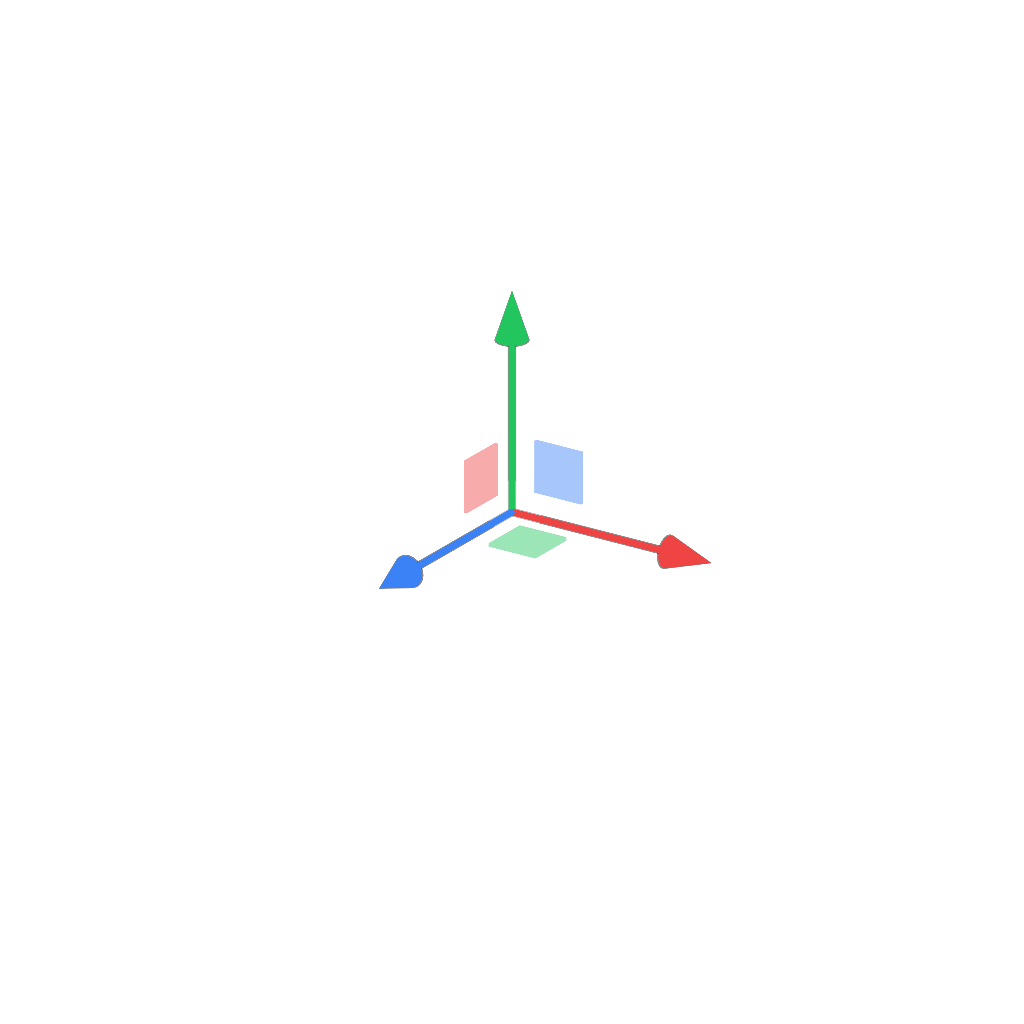
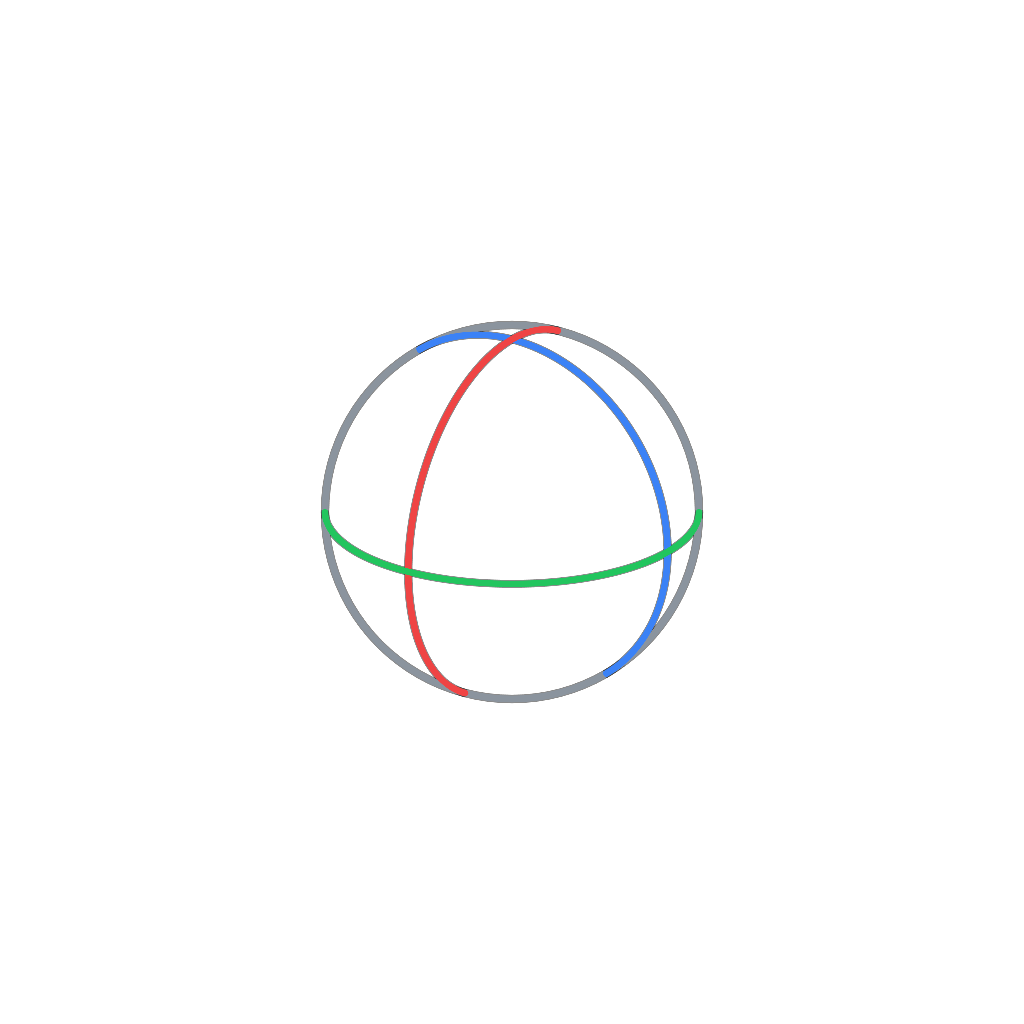
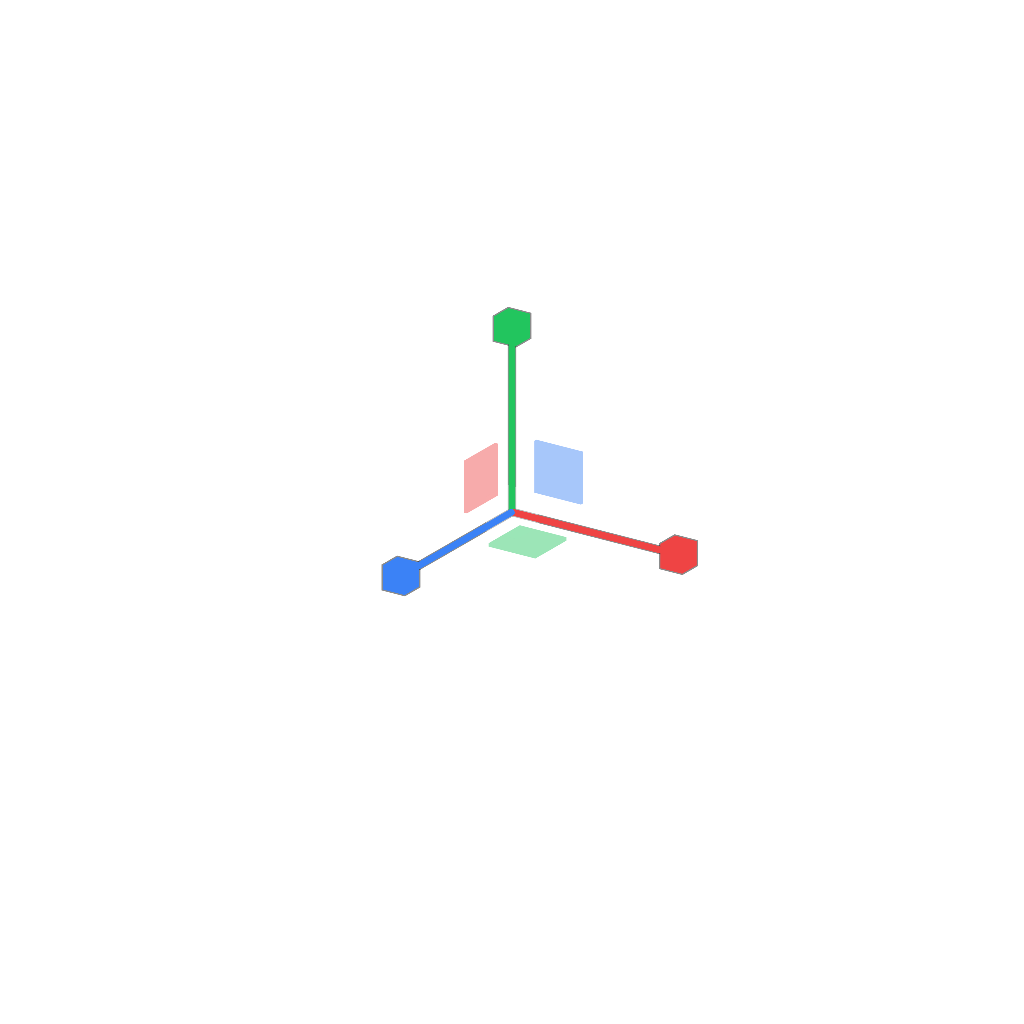
During an extrude or an inset, a bar of axis locks appears in the viewport, with the option to follow the direction of the face instead of a world axis.
Lights draw an icon where they are, so they can be selected even though they are invisible.
Importing files
Dragging a file from the computer into the viewport imports the content into the project. Dropping it on an object sends the image to its surface; dropping it on an empty area brings the file in as a project resource.